Quick specs
| Cabin | Layout | Seats | Pitch | Width | Bed | IFE |
|---|---|---|---|---|---|---|
| First | 2-2 | 20 | 37in | 20in | N/A | No seatback IFE |
| Economy | 3-3 | 159 | 31in | 17.3in | N/A | No seatback IFE |
| Cabin | Layout | Seats | Pitch | Width | Bed | IFE |
|---|---|---|---|---|---|---|
| First | 2-2 | 20 | 37in | 20in | N/A | No seatback IFE |
| Economy | 3-3 | 159 | 31in | 17.3in | N/A | No seatback IFE |
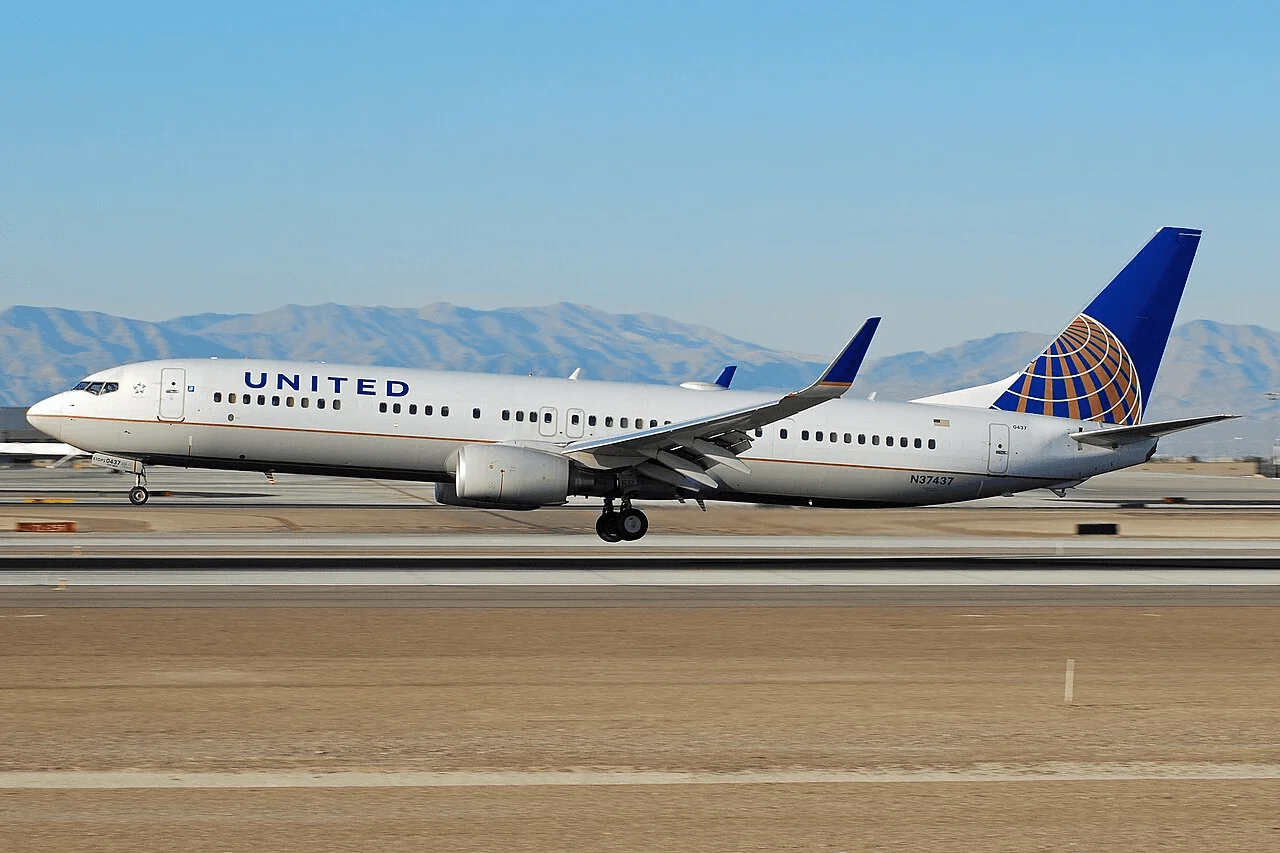
United's 737-900 squeezes 179 passengers into a single-aisle frame—First Class at 37-inch pitch, Economy Plus at 34-inch, and standard Economy down to 31-inch. Frequent flyers report the reduced First Class pitch makes laptop work difficult when the seat ahead reclines, and getting out of window seats feels cramped. This is a workhorse short-to-midhaul aircraft where cabin comfort compresses significantly versus earlier 737 variants.
First Class holds 20 seats in a 2-2 layout at 37-inch pitch; Economy has 159 seats in a 3-3 configuration. Passengers report the First Class seat pitch has shrunk from earlier generations, reducing legroom for laptop work and aisle access from window seats. Economy Plus rows offer 34-inch pitch for a fee; standard Economy sits at 31-inch. Book a forward First Class seat if space matters on short routes; in Economy, select an aisle or center seat mid-cabin away from the rear galley to avoid turbulence and noise. The 737-900's single-aisle design means no cabin escape—if your neighbor is unpleasant, you're stuck.
First Class occupies the forward cabin in a 2-2 side-by-side layout with 20 seats total. The cabin offers 37-inch pitch and 20-inch seat width. Passengers report that the reduced pitch from earlier 737 models creates a noticeably cramped sensation when the seat ahead reclines, making it difficult to work on a laptop or move freely between seat and aisle, particularly from window positions. Frequent flyers note that First Class value has diminished on this aircraft type due to the space reduction. The lack of direct aisle access on both sides of the 2-2 configuration means middle seats still require climbing over a seatmate. For short- to midhaul flights under 3 hours, the cabin remains acceptable; for longer routes where recline and work space matter, the 737-900 is less competitive than widebody First Class or earlier narrowbody generations. Verify specific seat locations and any premium bulkhead positions on United's seat map before booking, as layout may include galley or door-zone constraints not detailed here.
Economy comprises 159 seats in a standard 3-3 single-aisle layout. The cabin is divided into two pitch zones: Economy Plus rows (operated at 34-inch pitch) available for a cabin upgrade fee, and standard Economy rows at 31-inch pitch. The 3-3 configuration means middle seats are unavoidable unless you pay for aisle or window selection. Standard Economy pitch of 31-inch is tight for passengers over 5'10" on flights longer than 2 hours. Passengers should verify which rows belong to Economy Plus versus standard Economy on the airline's seat map before purchase, since pricing and comfort differ. Exit rows, if present, typically offer slightly more legroom but may restrict window shade operation or recline; confirm specific row restrictions on the seat map. Rear rows near the galley tend to experience higher noise and vibration from galley equipment and restroom traffic—aisle or center seats mid-cabin are generally quieter. No specific row numbers for exit rows or galley zones are identified in this guide; check United's published seat map for current exact locations, as aircraft configuration can vary.
| Seat | Cabin | Why |
|---|---|---|
| Forward window or aisle, First Class | First | Minimizes the recline-pitch squeeze since no seat ahead reclines into your space; forward position also means fewer people passing through the aisle. |
| Mid-cabin aisle, Economy Plus | Economy | 34-inch pitch provides meaningful breathing room compared to standard Economy, and aisle access avoids the climb-over penalty of middle or window seats. |
| Mid-cabin center or aisle, standard Economy | Economy | Away from rear galley noise and vibration; center seats on 3-3 aircraft sometimes feel less cramped than windows due to armrest negotiation with just one neighbor instead of two. |
| Bulkhead aisle or window (if available), Economy Plus | Economy | Bulkhead rows often have no seat in front, reducing pitch sensation; Economy Plus pitch of 34-inch makes bulkhead acceptable for working or sleeping short flights. |
| Seat | Cabin | Why |
|---|---|---|
| Window seat, First Class | First | Passengers report difficulty exiting to the aisle when the middle seat is occupied, and the 37-inch pitch feels especially constrained when the forward seat reclines into your knees. |
| Rear rows, standard Economy | Economy | Proximity to galley and lavatories means higher noise, odor, and passenger foot traffic throughout the flight; 31-inch pitch offers no cushion for turbulence or aisle congestion. |
| Middle seat, standard Economy | Economy | On a 3-3 single-aisle, the middle seat has zero direct aisle access and requires climbing over a neighbor; at 31-inch pitch and 17.3-inch width, the space is punitive for any flight over 90 minutes. |
| Rows with restricted recline (if applicable), Economy | Economy | Some rows near bulkheads, walls, or emergency exits do not recline; confirm on the seat map before booking to avoid paying for Economy Plus and losing the recline advantage. |
Power availability on the United 737-900 varies by cabin and seat location. First Class passengers typically have better access to charging infrastructure, while Economy and Economy Plus seat power availability is inconsistent across the fleet. USB connectivity is more common in premium cabins but remains spotty throughout the aircraft. Before booking, check United's current fleet page for power specifications on your specific aircraft, as retrofits and configurations continue to evolve.
In-flight entertainment (IFE) is available on this aircraft type. WiFi capability and speeds vary by individual aircraft and are subject to change; verify current connectivity options directly with United at booking or on their website before departure. Do not assume continuous broadband service on regional or short-haul flights—download content in advance if streaming is critical to your flight plan.
The 737-900 is a narrow-body aircraft with bin capacity typical of that class. On full flights—particularly on busy transcontinental and hub-to-hub routes—expect gate-checked bags, especially from Economy passengers boarding later. First Class and economy passengers in forward rows (typically rows 1–5) board early enough to secure overhead space directly above or immediately forward of their seats. Standard carry-ons generally fit wheels-first in modern 737 overhead bins, though some bag shapes may require sideways loading when the cabin fills.
Arrive at the gate early if overhead bin access is critical. Monitor the seat map as your flight date approaches; if your assigned seat is in the rear half of Economy or Economy Plus, assume you may need to gate-check a standard roller bag on a full flight, especially during peak travel periods.
United's boarding structure prioritizes premium cabin and elite frequent-flyer members in early waves, followed by general economy boarding in zones. First Class passengers in rows 1–5 deplane fastest due to forward placement; Economy Plus and forward Economy rows exit ahead of the rear cabin. Aisle seats naturally clear the aircraft faster than window or middle seats, particularly when a prior passenger requires time to retrieve overhead bags.
On the 737-900, single-aisle geometry means all deplaning flows through one forward galley area. Avoid seats directly forward of a potential bottleneck (e.g., rows immediately behind lavatory or galley reconfiguration) if fast exit is a priority. Check United's current boarding policy on their website, as boarding group assignments and priority thresholds change with fare type and promotion.
Book your seat as early as possible after purchase or elite-status unlock to secure preferred positions. First Class seats (rows 1–5, 2-2 layout) are limited to 20 seats; on popular routes, they fill quickly. Economy Plus rows offer 34 inches of pitch at a premium over standard Economy's 31 inches—compare the upcharge against your leg length and work needs before committing.
Preferred-seat releases often occur 14–24 hours before departure; check the United seat map during this window if your original selection is unavailable or if you want to optimize your row choice. If you are booked in standard Economy (31-inch pitch) and find the space inadequate, a same-day Economy Plus upgrade at check-in or the gate is sometimes available at lower cost than a rebooking.
On routes with a mix of seat pitches, the line between Economy Plus and standard Economy varies; always verify your assigned pitch on the current seat map rather than assuming row number alone. Monitor your booking dashboard in the 48 hours before departure—seat errors or aircraft swaps occasionally offer better-seat opportunities for alert flyers.
Passengers report that the 37-inch First Class pitch, combined with the smaller forward cabin, creates a genuine comfort advantage on transcontinental and longer regional flights compared to Economy. However, frequent flyers note that when the forward First Class seat reclines, the reduced legroom becomes apparent—laptop work becomes difficult in the seat behind, and aisle access from window seats is noticeably constrained. Reviews describe the tradeoff: First Class retains status and service perks, but the pitch reduction compared to earlier 737 generations is a tangible loss, especially for passengers over 5'10".
Passenger accounts describe the new 737-900 configuration—where First Class dropped from 38 to 37 inches of pitch while Economy and Economy Plus also tightened—as a deliberate capacity play that favors the airline's fleet economics over passenger comfort. Frequent flyers express frustration that the reductions went unannounced and are now accepted as standard, setting a concerning precedent for other aircraft types in the United fleet. Some passengers note that on mid-range flights (2–4 hours), the difference is tolerable, but on longer legs where first-class recline becomes essential for rest, the cramped feel undermines the value proposition of premium cabin booking.