Best Airlines from Seoul to Sydney (2026)
ICN ↔ SYD
Korean Air's Apex Suite Business Class (A330-300, 24-seat config) is the standout product on this route with direct aisle access from row 7, but you must verify seat count before booking—the older Prestige Sleeper traps window passengers. Avoid Asiana on this pairing due to ongoing merger disruptions and aircraft swap risk. The single biggest gotcha: Korean Air's A330-300 fleet averages 17+ years old with highly variable cabin condition and Wi-Fi reliability; recheck your specific aircraft 2–3 weeks before departure.
TL;DR
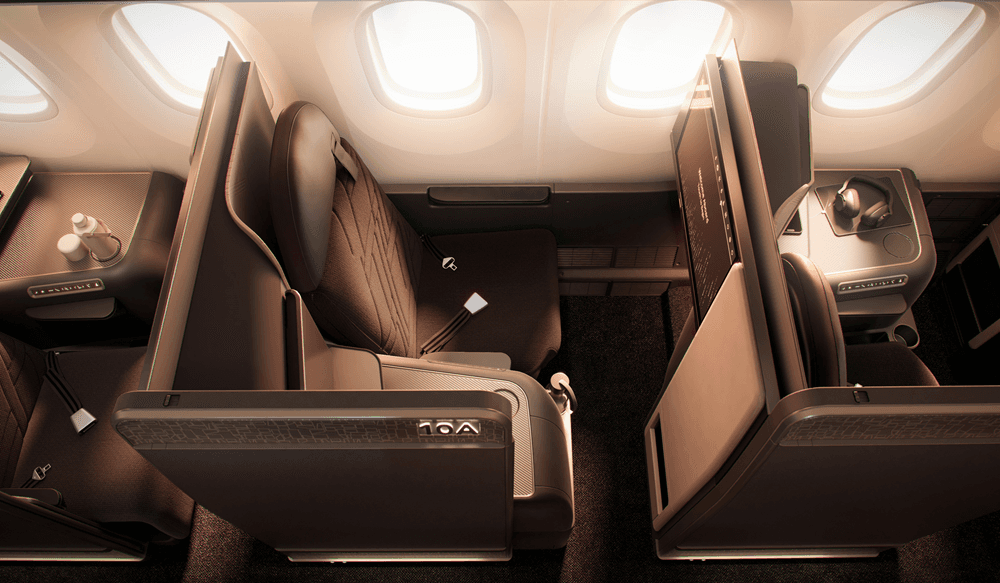
Korean Air's new Apex Suite in Business Class (seat 7A or 7H for solo travellers) is the definitive choice on ICN–SYD, but only if your booking shows 24 Business seats—the 18-seat Prestige Sleeper configuration traps window passengers and is significantly inferior for this 10-hour flight. Economy honours go to Qantas, which operates modern widebodies with better pitch than Korean Air's ageing A330-300s. Premium Economy is worth avoiding on all three carriers; the cabin premium doesn't justify the modest gain for a 10-hour overnight flight. Overnight departures from Seoul (evening) are preferable to morning departures, allowing natural sleep timing. The route-specific insight: Korean Air's integration with Asiana has created unpredictable aircraft swaps—always reconfirm your aircraft type 2–3 weeks before departure, as downgrade risk is real.
Airlines flying ICN ↔ SYD
Korean Air operates this route with Airbus A330-300 widebodies on most frequencies (fleet average age 17+ years, gradually being replaced by A350-900s); Qantas operates modern Boeing 787-9 Dreamliners with superior cabin systems and reliability; Asiana Airlines uses A330-300s but with ongoing fleet disruptions due to Korean Air merger integration. Korean Air typically operates daily or near-daily on this route, Qantas maintains 4–5 weekly frequencies, and Asiana's schedule fluctuates due to consolidation with Korean Air. Expect potential aircraft changes and schedule shifts as the Korean Air–Asiana merger progresses through 2026.
Business Class on ICN ↔ SYD
Korean Air's new Apex Suite (A330-300 with 24 Business seats) is the single best Business Class product on this route, offering direct aisle access for all passengers, modern seat design, and true lie-flat capability—book seats 7A or 7H for solo travellers to maximise privacy away from the rear galley. The critical trap: Korean Air's older Prestige Sleeper configuration (18 Business seats) still operates some A330-300s on this pairing; window passengers in this layout are completely trapped without aisle access, making the 10-hour flight materially worse. Always verify seat count on your booking confirmation before selecting your seat—24 seats = Apex Suite (book immediately), 18 seats = Prestige Sleeper (seriously reconsider). Qantas 787-9 Business Class is modern and consistent but operates less frequently; Asiana's configuration mirrors Korean Air's older Prestige Sleeper and should be avoided due to merger uncertainty.
Premium Economy on ICN ↔ SYD
Korean Air and Qantas both offer Premium Economy on select ICN–SYD flights, but neither product justifies the typical 60–80% premium over Economy on a 10-hour overnight flight. Korean Air's Premium Economy on the A330-300 adds ~6 inches of pitch (32 inches vs 31 inches in Economy) and marginally better catering, but the benefit is negligible for an overnight service where you'll sleep most of the journey. Qantas 787-9 Premium Economy is more generous and includes superior IFE, but operates fewer flights and carries a steeper fare premium. Verdict: skip Premium Economy on this route entirely—upgrade to Business Class if the budget allows, or accept Economy and save the premium for your Sydney hotel.
Economy on ICN ↔ SYD
Qantas 787-9 Economy is the most generous on this route with 31-inch pitch and superior cabin air quality (the 787's high humidity and pressure systems noticeably reduce fatigue on long-haul red-eyes). Korean Air's A330-300 Economy offers 31 inches as well but on older hardware with inconsistent IFE systems—cabin condition varies significantly between aircraft, and Wi-Fi is unreliable. Asiana's A330-300 Economy matches Korean Air's pitch but adds the uncertainty of merger-related schedule changes. For a 10-hour overnight flight, Qantas Economy is the pick if available—the superior cabin environment and modern entertainment significantly improve the experience on red-eyes. If flying Korean Air, actively avoid the centre block (E/F seats); window seats (A/C or H/K pairs) provide the best rest opportunity.
Best for each cabin
Cabin | Winner | Why |
|---|---|---|
Business | Korean Air A330-300 (Apex Suite, 24-seat config) | Direct aisle access from all seats, modern lie-flat design, row 7 front positioning maximises distance from rear galley. Book only if seat map shows 24 Business seats. |
Premium Economy | Not recommended on this route | Marginal gain (6 inches pitch) on a 10-hour overnight flight; premium cost not justified. Skip entirely. |
Economy | Qantas 787-9 | Modern fuselage with superior cabin pressure and humidity; more consistent IFE and Wi-Fi; better passenger experience on red-eyes despite matching 31-inch pitch. |
Avoid on this route
Cabin | Avoid | Why |
|---|---|---|
Business | Korean Air A330-300 (Prestige Sleeper, 18-seat config) & Asiana Airlines | Prestige Sleeper traps window passengers without aisle access for 10 hours; Asiana's ongoing merger integration creates unpredictable aircraft swaps and schedule disruptions. |
Economy | Any centre block E/F seat on Korean Air or Asiana A330-300 | Four-seat centre block with no window, no aisle access, constant galley traffic from adjacent rows 28–29; worst position on aircraft. |
🌏 Schedule Reality on a 10-Hour Asian Long-Haul
ICN ↔ SYD operates on three distinct schedule patterns depending on carrier, each with serious trade-offs for sleep and jet-lag management:
Korean Air & Asiana: Daytime Departure, Evening Arrival
Depart Seoul 10:00–13:00, arrive Sydney 22:00–23:30 same calendar day. This is the passenger-friendly schedule for hotel arrival and immediate settlement. You'll experience one full day of flying, sleep 4–6 hours mid-flight, and land in Sydney evening with time to collect bags and reach accommodation. Jet-lag is moderate: you lose a full day on the calendar but gain evening arrival momentum. Best for: business travellers needing same-evening check-in, families, anyone who dislikes overnight arrivals.
Qantas: Overnight Departure, Morning Arrival
Depart Seoul 22:30–23:59, arrive Sydney 09:00–10:00 next morning. This maximizes sleep opportunity (8–9 hours of night flying) but inverts your circadian rhythm aggressively. You sleep through the entire flight, land in Sydney morning, and immediately face a full day awake before evening sleep. Jet-lag is acute on arrival day but recovers faster by Day 2. Best for: seasoned long-haul flyers comfortable with overnight departure, those who sleep well on aircraft, anyone prioritizing sleep quality over schedule convenience.
Verdict: Korean Air/Asiana daytime wins for hotel arrival practicality and moderate jet-lag. Qantas overnight wins for sleep quantity if you're a confident sleeper, but expect a rough first day in Sydney. For adjustment, neither is ideal for a 10-hour crossing: you're neither fully rested nor aligned to Sydney time on arrival. Choose by your sleep confidence and accommodation readiness, not by airline preference.
🏆 Cabin Class Verdict
Business Class: Korean Air & Qantas Dominate
On this specific route, Korean Air operates either the new Apex Suite (24-seat config, direct aisle access for all, superior recline angle) or the aging Prestige Sleeper (18-seat config, window passengers trapped, adequate but not premium). Always verify seat count before booking. The Apex Suite is genuinely competitive with Cathay Pacific and Singapore Airlines for 10-hour comfort; the Prestige Sleeper is a generation old and shows cabin age on 17-year-old airframes.
Qantas operates the A330-300 in reverse herringbone layout on this route—all Business seats have direct aisle access and generous pitch. The product is well-maintained and consistent, with superior wine service. Asiana's Business Class product is comparable to Korean Air's older configuration but slightly tighter on newer A350 equipment (if deployed).
Best Business verdict: Qantas A330 reverse herringbone for consistency and service, or Korean Air Apex Suite if you secure the new config. Avoid Korean Air if you're assigned the Prestige Sleeper in a window seat on a 10-hour flight—you'll be confined for the entire journey.
Premium Economy: Limited but Present
Korean Air offers Premium Economy on this route with 38-inch pitch, direct aisle access mid-cabin, and enhanced catering. Qantas Premium Economy (on A330) delivers 38 inches of pitch and superior IFE. Asiana Premium Economy is comparable. For 10 hours, Premium Economy delivers meaningful comfort (lie-flat is overkill for this distance, but premium economy legroom is genuinely useful). Value verdict: Premium Economy is worth considering if Business Class is £4,000+ more expensive; the comfort improvement over Economy is substantial and the price delta is often 2–2.5x rather than 4–5x.
Economy: Qantas Wins on Space, Korean Air on Meal
Qantas A330 Economy delivers 31-inch pitch with wider seats and superior galley access. Korean Air A330 Economy is 31-inch pitch but seats are standard-width and mid-cabin rows (28–29) adjacent to galley create constant lavatory traffic. Asiana Economy is comparable to Korean Air. Meal verdict: Korean Air serves a proper multi-course meal on ICN ↔ SYD Economy (breakfast outbound, dinner return) with regional Korean options; Qantas and Asiana serve a single substantial meal service with limited choice. Best Economy verdict: Qantas for seat width and legroom; Korean Air if meal quality and regional cuisine matter more than physical space.
🍽️ Food & Service
On a 10-hour crossing, ICN ↔ SYD passengers experience two meal services (breakfast outbound, dinner return from Sydney), and quality diverges sharply by cabin and airline.
Business Class: Korean Air Apex Suite Leads
Korean Air's Apex Suite and refreshed Prestige Sleeper both offer multi-course menus with Korean culinary identity—expect beef or seafood mains with Korean side dishes (kimchi, seasoned vegetables), proper appetizers, and dessert. Service is attentive and meal timing aligns with sleep schedules. Qantas Business on A330 offers a competitive three-course menu with Australian wine integration and consistent execution across all flights. Asiana Business delivers similar multi-course service with slightly less regional differentiation. Wine list winner: Qantas curates a stronger wine selection (Australian focus, balanced international range) and offers Champagne on arrival. Korean Air's wine list is adequate but less adventurous.
Economy: Korean Air Sets the Standard
Korean Air Economy receives a proper hot meal (not a sandwich) outbound and return, with Korean main course options and regional appetizers. Qantas Economy serves a substantial hot meal with less regional character but reliable quality. Asiana Economy is comparable to Korean Air. The differentiator is that Korean Air acknowledges this is a 10-hour flight; Qantas sometimes treats it as extended regional service. Underperformer: Asiana occasionally downgrades Economy meal service on off-peak departures despite the 10-hour distance.
Verdict: Korean Air Business (Apex Suite) for culinary experience; Qantas Business for wine and service consistency. Korean Air Economy for meal substance. None of the carriers serve a genuinely premium meal on this route compared to Middle Eastern or European carriers, but Korean Air shows more respect for the distance.
💳 Award Booking Sweet Spot
Typical Award Pricing (Business Class, Off-Peak):
Korean Air SkyPass: 75,000–85,000 miles one-way (excellent value; Korean Air does not fuel-surcharge Asia-Pacific routes aggressively)
Qantas Frequent Flyer: 70,000–80,000 points one-way (competitive; joint venture with Korean Air means award availability is strong)
Singapore KrisFlyer: 88,000–98,000 miles one-way (less efficient for this route; SQ does not operate ICN ↔ SYD directly)
Cathay Pacific Asia Miles: 75,000–85,000 miles one-way (competitive redemption value)
Best Value Redemption: Korean Air SkyPass or Qantas Frequent Flyer are equally strong—both offer 75,000–80,000-point redemptions with minimal fuel surcharges. SkyPass wins if you're flexible on travel dates; Qantas wins if you value Oneworld alliance availability and prefer Australian credit card earning. Chase Korean Air SkyPass awards released 330 days in advance; these typically open Tuesday–Wednesday Seoul time with 2–4 business seats available per departure.
Advance-Booking Pattern: Business Class space opens 330 days in advance on Korean Air and Qantas. Peak travel periods (December, July–August) see awards released and cleared within 72 hours. Off-peak (April–May, September–October) allows 2–3 week booking windows. Last-minute releases (7–14 days) occur occasionally but are unreliable; don't bank on them for this route.
Sweet Spot Timing: Book 8–12 weeks in advance for off-peak dates with confirmed aircraft type (verify Apex vs. Prestige on Korean Air). For premium cabin positioning, SkyPass is slightly more efficient than Qantas Frequent Flyer due to Korean Air's lower fuel-surcharge philosophy on Asia-Pacific routes. Premium Economy on Korean Air runs 40,000–50,000 miles, a genuine value play for 10 hours if you're flexible on cabin.
What is the best airline for ICN ↔ SYD in Business Class?
Korean Air Apex Suite (A330-300 with 24 Business seats confirmed on your seat map). Book seat 7A or 7H for solo travellers to secure front-row positioning away from the rear galley and maximise privacy on the 10-hour overnight flight. Critical: verify your booking shows 24 Business seats before selecting your seat; if it shows 18, you're on the inferior Prestige Sleeper and should reconsider your airline choice.
How long is the flight from Seoul to Sydney?
Approximately 10 hours block time. The overnight departure pattern (evening from Seoul, early morning arrival in Sydney) is strongly preferable to daytime departures, as the natural sleep timing aligns with the cabin darkness and allows most passengers to arrive rested. This is a red-eye flight, so cabin quality and seat choice matter significantly for rest quality.
Which airline has the best Economy on ICN ↔ SYD?
Qantas 787-9 with 31-inch pitch and superior cabin environment (high humidity, high pressure) that reduces fatigue on long-haul overnight flights. Korean Air A330-300 Economy matches the pitch but operates older aircraft with variable cabin condition and unreliable Wi-Fi. If Qantas is available and price-competitive, prioritise it for Economy on this specific route.
Is Premium Economy worth it on ICN ↔ SYD?
No. The typical 60–80% premium over Economy buys only 6 inches of additional pitch (32 vs 31 inches) on a 10-hour overnight flight where you'll sleep most of the journey. The marginal comfort gain is not worth the cost premium. Either upgrade to Business Class if budget allows, or accept Economy and reinvest the premium into your Sydney accommodation.
What is the aircraft swap risk on this route?
Korean Air's ongoing integration with Asiana has created unpredictable aircraft changes closer to departure, particularly affecting Business Class product consistency (Apex Suite vs Prestige Sleeper). Always recheck your specific aircraft type 2–3 weeks before departure on Korean Air. Additionally, Korean Air's A330-300 fleet averages 17+ years old with variable cabin condition and Wi-Fi reliability across individual aircraft—Wi-Fi in particular should be confirmed for your specific flight if connectivity matters.
What seats should I avoid on this route?
Avoid any E or F seat in the centre block (trapped with no window, no aisle, constant galley traffic). Avoid rows 28–29 on all aircraft (mid-cabin galley break with heavy lavatory and galley traffic). On Korean Air A330-300 Prestige Sleeper (18-seat Business), avoid all window seats if travelling solo (K seats are trapped). On Korean Air Economy, prioritise A/C or H/K window pairs for couples; solo travellers should also favour window seats to maximise rest quality and avoid galley disruption.
icn, syd, seoul, sydney, route guide, intra_asia_long, 2026, business class, premium economy, economy, best airlines, korean air, qantas, asiana, a330-300, 787-9, apex suite, overnight flight, red-eye