Delta Air Lines
Boeing 737-900ER
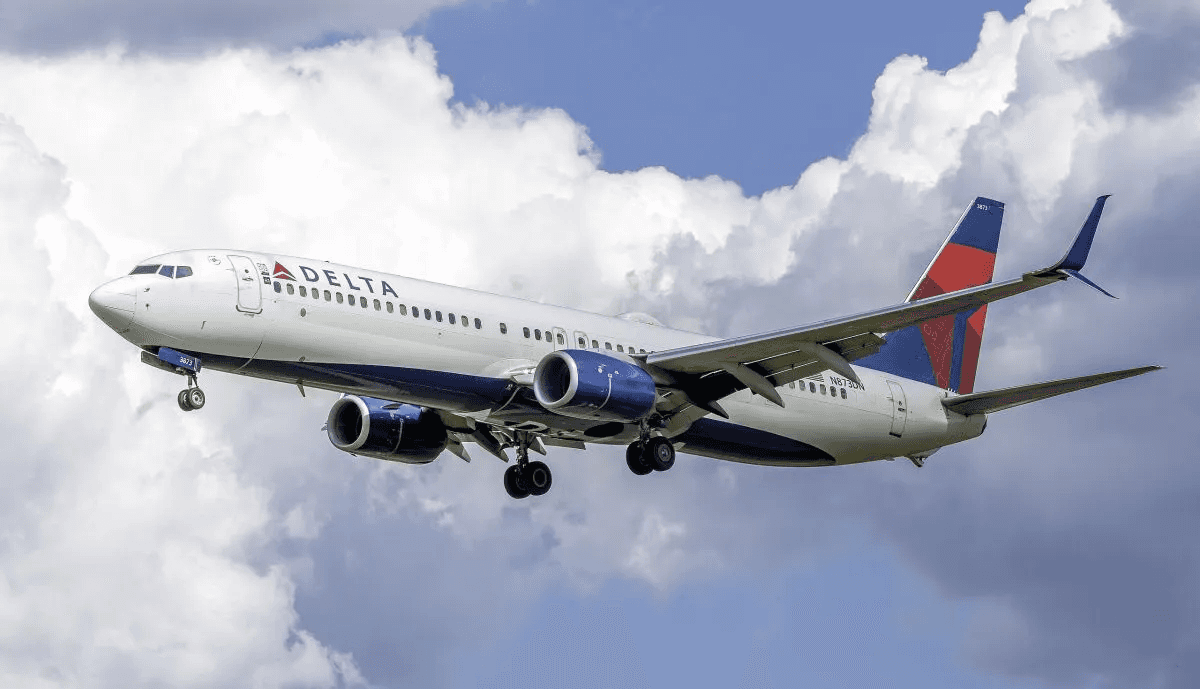
Delta 737-900ER Seat Guide (2026) | Cabin
TL;DR
Delta's 737-900ER is an older aircraft by 2026 standards, but it carries Delta's standard domestic cabin structure - First Class, Comfort+, and Main Cabin. The seat product is the legacy slimline design rather than the newer seats on the A321neo or MAX 8. Comfort+ at the front of Main Cabin is the value play for passengers who can't access First Class. Main Cabin standard seats at 31 inches pitch are adequate. The version you get depends on when the aircraft was delivered - some 737-900ERs have better IFE and power than others.
Try Cabin
Delta's 737-900ER is the largest narrowbody in the fleet - 177 seats across First Class, Comfort+, and Main Cabin. It's an older aircraft type that coexists with the newer MAX 8 and A321neo, and knowing which specific rows to avoid makes the difference between a tolerable and a genuinely uncomfortable domestic crossing.
Delta Air Lines operates the Boeing 737-900ER on domestic routes where widebody capacity is not justified but a larger-than-MAX-8 narrowbody is commercially sensible - hub-to-hub routes between Atlanta, Minneapolis, Detroit, Seattle, and Salt Lake City. The aircraft carries 177 seats on Delta's standard configuration in three cabins: First Class, Comfort+, and Main Cabin.
The 737-900ER is the stretched version of the 737-900, carrying approximately 20 more seats than the -800 in Delta's fleet. It is an older aircraft type - Delta took deliveries between 2010 and 2012 - and by 2026 it shows its age in a few specific ways: IFE screen quality and power availability are less consistent than on newer aircraft. Understanding which rows have reliable power and which don't is more important on the -900ER than on newer Delta narrowbodies.
First Class
Delta First Class on the 737-900ER is a 2-2 layout with 16 seats. Seat pitch is approximately 39 inches and width is 21 inches. The seat reclines to a comfortable angle - this is not a lie-flat product. The forward galley is immediately at the front of the cabin, which means Row 1 experiences more galley noise than Row 3 or 4. The rearmost First Class row (Row 4) backs onto the Comfort+ bulkhead - generally not an issue, but the foot traffic from the galley cart moving between cabins can be occasional. Mid-First Class rows (2-3) represent the acoustic sweet spot.
Comfort+
Delta Comfort+ on the 737-900ER occupies the first several rows of the main cabin - typically rows 5-14 on most configurations. Pitch is 34 inches, which is 3 inches more than standard Main Cabin. The seat hardware is the same slimline design as standard Main Cabin, so the upgrade is purely positional. The most valuable Comfort+ seats are the exit rows within the Comfort+ section (typically rows 12-13), which offer additional legroom on top of the Comfort+ pitch baseline. The bulkhead Comfort+ row (row 5 on most configurations) has the most legroom but no under-seat storage during takeoff and landing. The last Comfort+ row before the transition to Main Cabin is occasionally subject to leakage from Main Cabin passengers encroaching on the section.
Main Cabin
Delta's Main Cabin on the 737-900ER uses a 3-3 layout at 31 inches of pitch and 17.2 inches of seat width. IFE screens vary by aircraft - some -900ERs have the older 9-inch screens with limited content; others have been partially refurbished with newer screens. Power availability is inconsistent - some rows have AC outlets and USB ports, others have neither. Check SeatGuru or Delta's seat map before booking if power access is critical. The rear Main Cabin (rows 33-44 on most configurations) is significantly louder due to CFM56 engine proximity and should be avoided on flights over 2 hours. Row 30 (or the equivalent restricted-recline row in front of the exit) does not recline. The last 2-3 rows have no recline and immediate galley proximity.
The 73W versus 73J distinction
Delta operates the 737-900ER in two designations: 73W (winglet) and 73J. The 73W is the more common configuration and carries the standard 177-seat layout described in this guide. The 73J is a variant with slightly different seat counts. Both use the same basic cabin structure but may differ slightly in IFE availability. When booking, verify your aircraft code in the booking details - 73W or 73J indicates the 737-900ER; 7M8 or 7M9 indicates the newer MAX fleet.
💻 Digital nomad workspace audit
Power availability is the most variable feature on the 737-900ER. First Class seats have AC outlets reliably. Comfort+ and Main Cabin power availability varies by aircraft - some rows have USB-A charging, others have both USB and AC, and some have neither. If working in flight is critical, confirm the specific aircraft's power installation via the Delta seat map or the SeatGuru database before travel. Delta's inflight Wi-Fi on the -900ER uses Gogo 2Ku satellite connectivity - speeds are adequate for messaging and email but not reliably suitable for video calls on busy sectors.
Best seats
Seat | Cabin | Why |
|---|---|---|
Row 2 A or F | First Class | Mid-First Class window seats. Away from forward galley, full recline, quiet position. |
Exit rows 12-13 A or F | Comfort+ | Extra legroom within the Comfort+ section. Best value seat on the aircraft. |
Row 5 A or F (Comfort+ bulkhead) | Comfort+ | Most legroom in Comfort+. No under-seat storage — pack light accordingly. |
Seats to avoid
Seat | Cabin | Why |
|---|---|---|
Row 30 A-F (or equivalent non-recline) | Main Cabin | Restricted recline directly in front of exit. Legroom without the ability to lean back. |
Rows 40-44 | Main Cabin | Rear cabin. CFM56 engine noise is pronounced here, no recline in the last rows, galley proximity. |
Row 1 A-D | First Class | Forward galley immediately adjacent. More noise during meal prep than mid-cabin rows. |
How do I know if I am on a Delta 737-900ER versus the newer MAX 8?
Check your booking details for the aircraft code. A 73W or 73J code indicates the 737-900ER. A 7M8 code indicates the 737 MAX 8. The MAX 8 has better IFE, more consistent power outlets, and quieter engines. If the route offers both, the MAX 8 is the preferable aircraft.
Does Delta 737-900ER have power outlets?
Inconsistently. Power availability varies by individual aircraft and retrofit status. Some have USB-A and AC at each seat; others have limited or no power. Check the specific seat map for your flight using Delta's website or a third-party tool before travelling if power access is critical.
Is Comfort+ worth it on the Delta 737-900ER?
On flights over 3 hours, yes - the 3-inch pitch increase to 34 inches is a meaningful physical improvement. The exit rows within the Comfort+ section are the best value, offering extra legroom on top of the baseline Comfort+ pitch.
What is the difference between 73W and 73J on Delta?
Both are 737-900ER variants. The 73W is the winglet-equipped version and is the more common configuration in Delta's fleet. The 73J may have slightly different seat counts on select routes. Both use the same basic three-cabin structure.
delta, 737-900er, delta comfort plus, delta first class, 73w, delta seat guide, narrowbody domestic