Ryanair
Boeing 737-8200
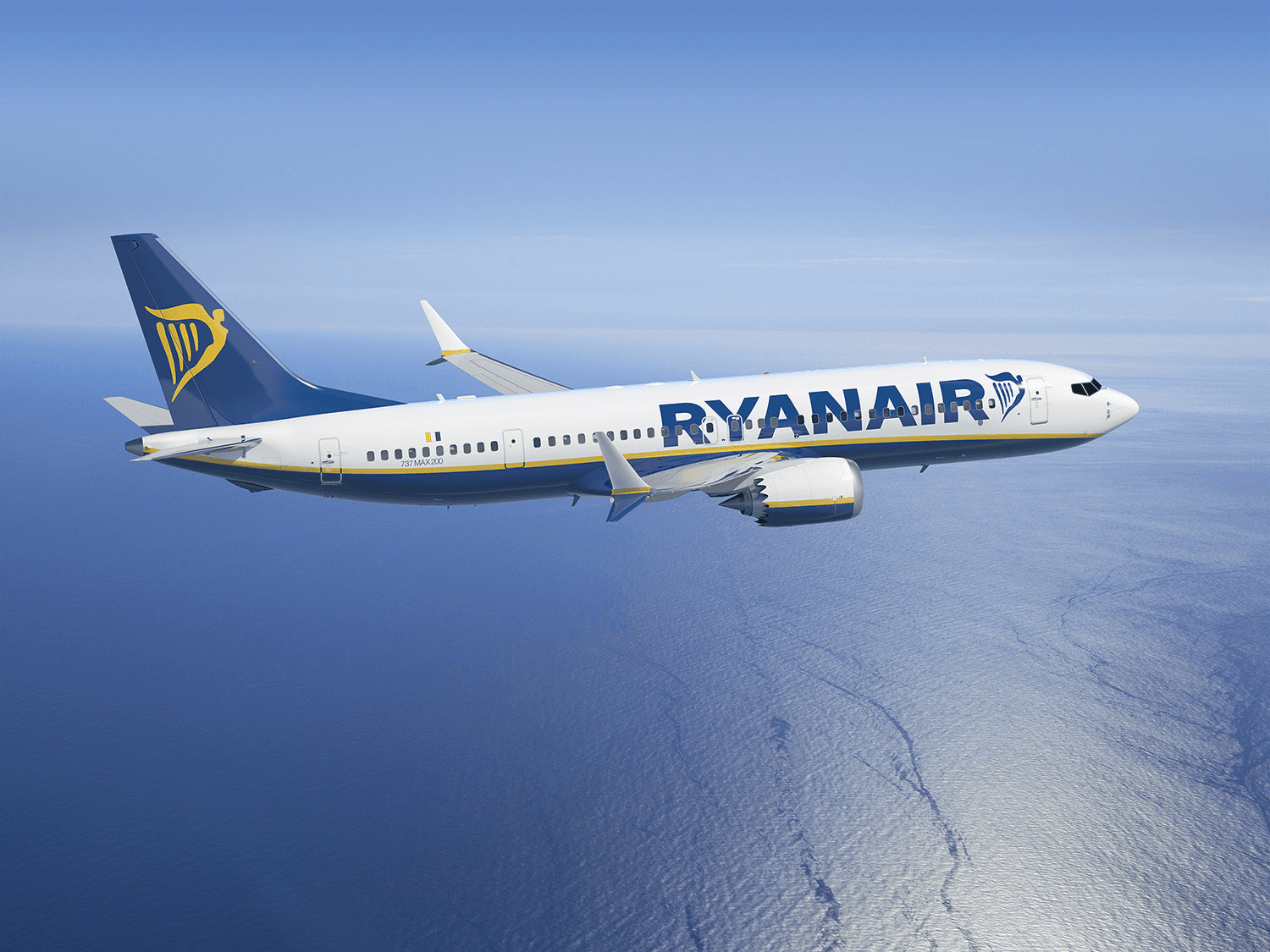
Ryanair 737-8200 Seat Guide & Strategy (2026) | Cabin
TL;DR
The Ryanair 737-8200 (Boeing's high-density 737 MAX 8 variant) carries 197 passengers in a single cabin - the most seats of any 737 in commercial service. Seat pitch is 29 inches in standard rows. There are no cabin classes, no seatback screens, no power outlets, and no WiFi on most aircraft. The exit rows at rows 16 and 17 offer roughly 33-34 inches of pitch and are the only seats on the aircraft where a passenger over 5'10" can sit without their knees touching the seatback.
Try Cabin
Ryanair's 737-8200 is the densest narrowbody configuration in European aviation- 197 seats, 29-inch pitch, and a business model that treats the cabin as a revenue optimisation problem. Understanding the layout is not about finding comfort. It is about minimising discomfort on a 2-4 hour flight.
Ryanair is Europe's largest airline by passenger volume, and the 737-8200 is the aircraft that makes the business model work. Boeing designed this specific variant - sometimes called the 737 MAX 200 - to accommodate a higher seat count than the standard MAX 8 by adding a second pair of over-wing exits. Ryanair is the launch customer and primary operator. The extra exits allow the 197-seat configuration that standard MAX 8 operators cannot legally use.
The intelligence on this aircraft is blunt. At 29-inch pitch, Ryanair's standard seats have less legroom than any major US carrier, less than EasyJet's A320, and less than most long-haul Economy seats by 2-3 inches. The seats do not recline. The experience is tolerable on 90-minute hops and genuinely uncomfortable on 3-4 hour routes to the Canaries or Eastern Mediterranean. Seat selection is the only lever you have.
💺 Seat Selection Economics
Ryanair sells seats in tiers. Standard seats (random allocation if you do not pay) cost nothing but you have no control. Preferred seats (rows 2-5 and 18-19) cost more and get you near the front or behind the exit rows. Exit row seats (rows 16-17) carry the highest premium - typically 15-25 EUR per segment - and are the only seats with meaningful legroom.
The tactical play: if the flight is under 2 hours, save your money and accept any seat. If the flight is over 2.5 hours, the exit row premium is worth it for any passenger over 5'8". If you are traveling with a partner and want to guarantee adjacent seats, you must pay for seat selection - Ryanair's random allocation separates passengers by default.
⚡ Charging & Entertainment Reality
There are no USB or AC power outlets on any Ryanair 737-8200. There are no seatback entertainment screens. Ryanair offers WiFi on some aircraft (via a partnership with RyanairConnect), but speeds are basic and the service is paid. Bring a fully charged phone, download your entertainment in advance, and carry a battery pack on anything over 90 minutes.
🔊 Acoustic & Sensory Audit
The 737-8200 uses LEAP-1B engines - the same as the standard MAX 8 and quieter than the older 737-800 NG. The quietest zone is rows 1-10, forward of the wing. Rows 14-20 are over the wing and experience the most engine noise. The non-reclining seats mean the cabin does not have the recline-conflict issue, but it also means there is no adjustment available if you find the upright angle uncomfortable.
🚪 Deplaning Intelligence
Ryanair uses both front (L1) and rear exits for deplaning at most airports, often via stairs and bus. The middle of the aircraft (rows 12-18) is the worst position for deplaning - both streams flow away from you. Rows 1-5 are fastest for front deplaning. Rows 30-33 are fastest for rear deplaning. On bus gates (common at Ryanair's secondary airports), everyone converges on the same bus regardless, so deplaning position matters less.
Best Seats
Seat | Why |
|---|---|
16A & 16F | Exit row window seats. The most legroom on the aircraft. Worth the premium on any flight over 2 hours. |
17A & 17F | Second exit row windows. Slightly less space than row 16 but still a significant upgrade over standard. |
1A & 1F | Front row windows. Fastest deplaning from front exit. Quietest cabin zone. Extra knee room from bulkhead. |
2A & 2F | Second row windows. Near-identical benefits to row 1 without the bulkhead tray table stored in the armrest (slightly wider seat). |
Seats to Avoid
Seat | Why |
|---|---|
Row 33 (last row) | Rear galley and lavatory proximity. No recline (same as all rows, but the smell and noise are worse). |
Row 15 | Directly in front of exit row 16. Seats here have the same 29-inch pitch but the seatback pocket is often removed for exit access, reducing usable storage. |
Any middle seat rows 14-20 | Engine noise zone plus middle-seat penalty at 29-inch pitch. The worst combination on the aircraft. |
How many seats does the Ryanair 737-8200 have?
197 seats - the highest of any 737 in commercial service. This is possible because Boeing added a second pair of over-wing exits to the MAX 8 fuselage, allowing the higher seat count under safety regulations.
What is the seat pitch on Ryanair?
29 inches in standard rows. Exit rows 16-17 offer approximately 33-34 inches. This is 2-3 inches less than most major US and European carriers in standard Economy.
Do Ryanair seats recline?
No. No seats on the Ryanair 737-8200 recline. The non-reclining design is a deliberate choice to reduce maintenance costs and eliminate seat-recline conflicts.
Is it worth paying for seat selection on Ryanair?
On flights over 2.5 hours, exit row seats are worth the premium for any passenger over 5'8". On shorter flights, the value is less clear. If traveling with a partner, you must pay for seat selection to guarantee sitting together - random allocation separates passengers by default.
Does Ryanair have WiFi?
Some aircraft have WiFi via RyanairConnect. It is paid, basic in speed, and not available fleet-wide. Do not count on it. Download entertainment before boarding.
ryanair, 737-8200, 737 max 200, ryanair seats, budget airline, exit row, seat guide, europe