American Airlines
A320
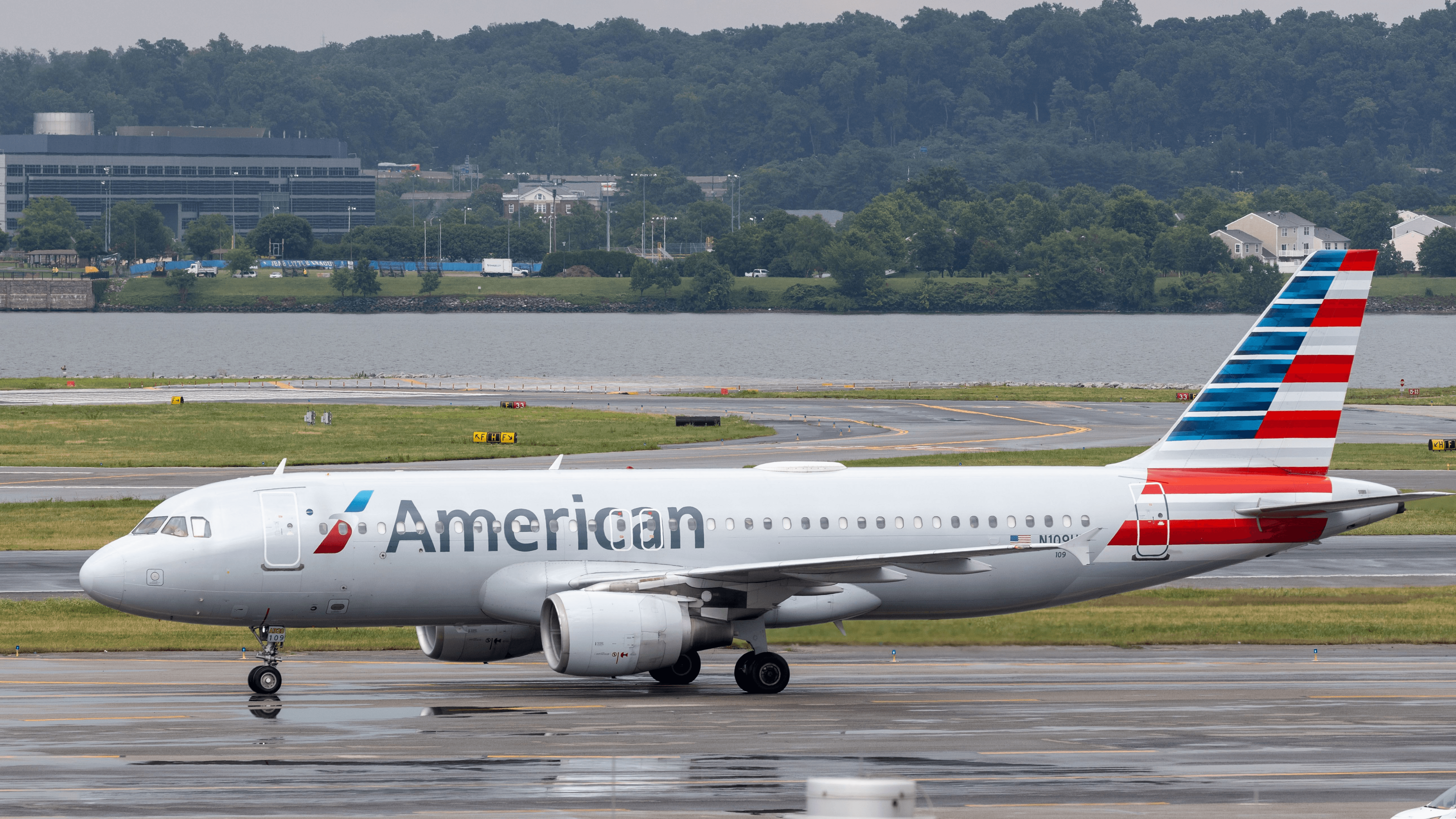
American Airlines A320 Seat Guide (2026) | Cabin
TL;DR
American operates A320s in a high-density 180-seat all-Economy configuration on most domestic routes. Exit rows 15–16 offer 31–32" pitch but no recline; standard Economy sits at 30" with mediocre width. Best seat: 12A or 12F (front bulkhead, extra legroom, away from galley noise). Worst seat: 14C (middle seat trapped between galley congestion and immobile seat). The A320 lacks seatback screens entirely—stream entertainment to your device or read. Compared to United's A320 or Delta's A321neo, American's A320 is cramped and feature-light; book it only for short-haul flights under 3 hours.
American's A320 carries 150–180 passengers depending on configuration, with a standard 2-3 Economy layout and no Business Class on domestic variants. Avoid rows 13–16 entirely — they're jammed between the forward galley and exit rows with zero recline and heavy foot traffic. The A320 is the workhorse of AA's domestic network, but it's the least comfortable narrowbody in the fleet.
Quick specs
Cabin | Layout | Seats | Pitch | Width | IFE |
|---|---|---|---|---|---|
Economy (standard) | 3-3 (A-C / D-F) | ~150 | 30" | 17.2" | None (streaming) |
Economy (exit row) | 3-3 | 12 | 31–32" | 17.2" | None |
Cabin Configuration
American operates A320s in an all-Economy, high-density layout with approximately 150–180 seats depending on interior refresh date and regional assignment. Rows 1–2 are reserved crew rest or bulkhead seating. Rows 3–14 are standard 30" Economy. Rows 15–16 are exit rows with 31–32" pitch but no seat recline due to emergency equipment. Rows 17–32 continue standard Economy through the aft cabin. Lavatories are located forward (rows 2–3 area) and aft (row 28–29 area).
Economy Class
All 150+ seats are Economy. Standard pitch is 30" with 17.2" seat width—adequate for short flights, claustrophobic for anything longer. Exit rows 15 and 16 offer genuine extra legroom (31–32") but sacrifice recline entirely. Rows 13–14 sit directly in front of the exit row and experience heavy foot traffic from lavatory and galley access; they recline but offer no peace. Row 1 is a bulkhead with no underseat storage. Rows 31–32 are over the wing with worst fuselage noise; avoid unless you sleep through jet engine roar. The sweet spot for noise and comfort is rows 18–25, well clear of galley congestion and engines.
Best seats
Seat | Cabin | Why |
|---|---|---|
12A or 12F | Economy | Front bulkhead row (just behind crew rest); extra legroom without exit-row tradeoffs; window seat isolation; minimal galley noise |
15D or 15E | Economy | Exit row aisle seats with 32" pitch; no recline but maximum legroom; quieter than front galley rows |
20C or 20D | Economy | Mid-cabin sweet spot; full recline; equidistant from galley and lavatories; minimal foot traffic |
6A or 6F | Economy | Upper-cabin window seats in quiet zone; adequate legroom; away from primary galley congestion |
Seats to avoid
Seat | Cabin | Why |
|---|---|---|
14A, 14B, 14C, 14D, 14E, 14F | Economy | Directly in front of exit row; no recline; constant foot traffic from lavatory, galley, and emergency-row access; trapped between galley activity and exit-row crowds |
13C | Economy | Middle seat in row immediately preceding exit row; galley noise from both directions; no aisle escape |
31A–31F, 32A–32F | Economy | Over wing; maximum fuselage and engine noise; nearest galley and aft lavatory; last rows always least desirable on regional jets |
1C | Economy | Bulkhead middle seat; trapped between two passengers with no aisle access; no under-seat storage; crew rest noise forward |
⚡ Power & Connectivity Reality Check
American Airlines A320 power availability is inconsistent across the fleet. Older aircraft (built before 2015) typically have no seatback power at all — USB charging ports are absent, and AC outlets appear only in the bulkhead rows (1–2) and occasionally at armrest positions on premium cabin seats. Newer A320s delivered from 2015 onward increasingly feature USB-A ports (5V) at select rows, but coverage is spotty: expect power at rows 10–12 and scattered throughout rows 18–25 depending on aircraft age and retrofit status. AC power at individual seats is rare on A320; it exists mainly on retrofitted premium cabin aircraft or regional variants.
In-flight entertainment on American A320 is streaming-only via the AA mobile app — no seatback screens. All passengers must bring a charged phone, tablet, or laptop to access movies, TV, and live television. The app streams over the aircraft WiFi network to your personal device; without WiFi or a device, you have no entertainment. Each seat has a physical tablet holder clip mounted on the tray table.
WiFi is provided by Viasat on older American A320s, with a rollout to newer aircraft adding Starlink capabilities (as of 2024–2025). Viasat speeds on domestic routes average 5–8 Mbps download in real-world conditions, which is adequate for streaming SD video but may buffer on 4K or during peak cabin usage (takeoff, cruise, descent). Starlink-equipped A320s report faster, more stable 15–25 Mbps, though rollout is incomplete across the fleet. WiFi is free for all passengers on American A320 — no paid tier.
Bluetooth audio pairing is available on all American A320s via the seatback headphone jack (3.5mm) or wireless Bluetooth pairing to the individual seat armrest control panel (on newer aircraft). Older A320s may require wired headphones only. Passengers should bring a portable battery pack rated 10,000–20,000 mAh — streaming video drains most smartphones in 4–6 hours, and AC power is not guaranteed at your seat.
🧳 Overhead Bin Strategy
The American Airlines A320 fleet consists primarily of two variants: A320-200 (older, CFM56 engines) and A320-200N (newer, CFM LEAP engines, "neo" configuration). Both have identical overhead bin dimensions and capacity — approximately 5,400 cubic inches per bin on the main deck, with bins above rows 1–24 (forward and aft galley areas have reduced or no bin space). Bin capacity is smaller than the A321 and significantly smaller than the 737 MAX 9; the A320 carries roughly 40–50 cubic feet of total usable overhead space versus 60+ on larger narrowbodies.
On full flights on busy routes (New York–Boston, Orlando–Chicago, Los Angeles–Las Vegas), gate-check likelihood is 40–60% — American gate-checks every third to fourth flight during peak hours. Rows 1–6 (First and forward Economy) board first and secure overhead bin space. Rows 7–15 board in the second wave and typically find bins still available above their seats. Rows 16–32 (aft Economy) board last and face significant gate-check pressure, especially on full flights.
A standard 22-inch roller bag fits wheels-in above rows 1–20 on the A320 — the bins are just wide enough (approximately 22 inches) to accommodate a standard carry-on without tilting. On rows 21–32, bins are slightly narrower due to fuselage curvature; expect to stow the bag sideways or place it partially in the aisle bin. Passengers boarding rows 25–32 should plan to check luggage or carry only a personal backpack/purse.
🏃 Boarding & Exit Strategy
American Airlines uses a five-group boarding system on all A320 flights: Group 1 (First/Business), Group 2 (Platinum Elite/AAdvantage Gold/paid priority), Group 3 (Main Cabin Extra + base AAdvantage members), Group 4 (Standard Economy), and Group 5 (Basic Economy / non-elite). To board in Group 2 without elite status, purchase Main Cabin Extra (MCE) or a paid priority boarding add-on ($15–$35 depending on route). To board in Group 3, hold AAdvantage membership (free enrollment). Arrive at the gate 15 minutes before departure to join Group 1–2; 10 minutes before for Group 3; 5 minutes before for Groups 4–5.
On the A320, exit rows are 11 and 15 (over-wing, two rows per side) and row 1 (forward galley bulkhead). Deplaning order from the A320 is fastest from rows 11–15 (exit row) — passengers here exit via both forward and rear stairs within 3–4 minutes. Rows 1–10 deplane next via the forward door (40–60 seconds per passenger), followed by rows 16–32 via the rear door (60–90 seconds per passenger). At major hubs with jet bridges, both front and rear doors are used simultaneously; at smaller airports, only the front door may open, making rear rows significantly slower.
American Airlines uses both front and rear doors on A320 at all airports — even regional ones with ramp service — so rear-door access (rows 24–32) does confer a modest advantage on deplaning speed (5–10 minutes faster than if stuck behind rows 1–10). However, gate assignment is unpredictable, so don't rely on this for connections.
📱 Booking Intelligence
Seat selection opens at booking for all fare classes on American A320 — Main Cabin Extra (MCE) seats are immediately available for purchase; standard Economy seat selection is available at no charge. Preferred Economy seats (better rows, aisle access) are held back and typically release 72 hours before departure to elite members, then 24 hours before departure to all passengers. Exit rows and bulkhead seats are reserved for elite members (Gold and above) until 24 hours before departure, after which they release to general passengers at variable pricing ($10–$25 per seat depending on route and demand).
On popular routes (transcon, holiday travel, leisure destinations), Preferred and exit-row seats fill by T-minus 18 hours. On slower routes, they remain available until check-in. Forward cabin seats in rows 7–12 (best pitch + proximity to exit) typically become available 36–48 hours before departure on most flights but can sell out entirely on Friday afternoon/evening departures and weekend flights.
One practical tip: Set a calendar alert for T-minus 24 hours on your flight. Log into aa.com exactly 24 hours before departure (to the minute, if possible) and immediately select your preferred seat. Preferred Economy and exit-row releases happen in that window, and availability drops rapidly in the first 10 minutes. If you hold elite status, log in at T-minus 72 hours instead — better selection, zero competition.
Does American Airlines A320 have lie-flat seats?
No. The A320 is an all-Economy aircraft with no Business or premium cabin. All seats recline to approximately 6–7 inches maximum—nowhere near lie-flat. For long-haul comfort on American, book the Boeing 777-200ER or 787-9 instead.
Best seat for sleeping on American Airlines A320?
Row 20D or 20E. These mid-cabin aisle or near-aisle seats offer full recline, minimal foot traffic (well clear of front galley and aft lavatories), and acoustic isolation. Window seats 20A and 20F are also solid if you can sleep against the fuselage. Avoid exit rows (no recline) and rows 13–16 (constant interruption).
Does American Airlines A320 have WiFi?
Yes, ViaSat satellite internet is available on most American A320s, but it remains a paid service ($7 for 1 hour, $70 for monthly passes). WiFi coverage is spotty on regional routes and unreliable during climb and descent. Starlink is rolling out to American's newer aircraft but has not yet reached the A320 fleet. Expect slow speeds and frequent dropouts—plan offline entertainment.
Does American Airlines A320 have seatback screens?
No. Like all American narrowbodies except the newest A321neo aircraft, the A320 has zero seatback entertainment. You must stream content via the American Airlines app to your personal device (phone, tablet, laptop). Bring a fully charged device and download content before boarding—without it, you have no movies, shows, or maps for the entire flight.
Is American Airlines A320 Economy worth it long-haul?
Absolutely not. At 30" pitch and 17.2" width, the A320 is the narrowest, least-pitched narrowbody in the market. For any flight over 2.5 hours, upgrade to First Class (if available), switch to United or Delta (both offer better pitch and seatback screens), or book a larger aircraft like American's A321 or 787. The A320 is only tolerable for regional hops under 90 minutes.
Can I pick an exit row seat for free on American A320?
Exit rows 15–16 are typically designated Preferred Seats and cost $15–$25 extra, or free for AAdvantage Elite members and First Class ticket holders. Standard exit row legroom (31–32") is worth the upgrade fee if you're over 6' tall, but remember: no recline. If you decline recline, row 12 (bulkhead) is a better value and often free as a Preferred assignment.
How do I tell an American A320 from an A321?
The A320 is noticeably shorter and narrower cabin-wise; count the window rows. An A320 has roughly 30 windows per side; the A321 has 32+. The A320's aft cabin ends sooner. Also: the A321 offers Main Cabin Extra (MCE) rows on international variants; the domestic A320 does not. Ask the gate agent or check your ticket confirmation—it will list "A320" or "A321" explicitly.
american airlines, a320, narrowbody, seat guide, 2026, economy class, exit row, best seats, seats to avoid, domestic regional